Framer Visual Effects: Shaders, Image & Hover Effects
Shader and image effects for Framer: ASCII art, dithering, CRT scanlines, glitch, duotone, liquid distortion and WebGL hover effects that work on your own images and videos.
Showing 26 of 26 components
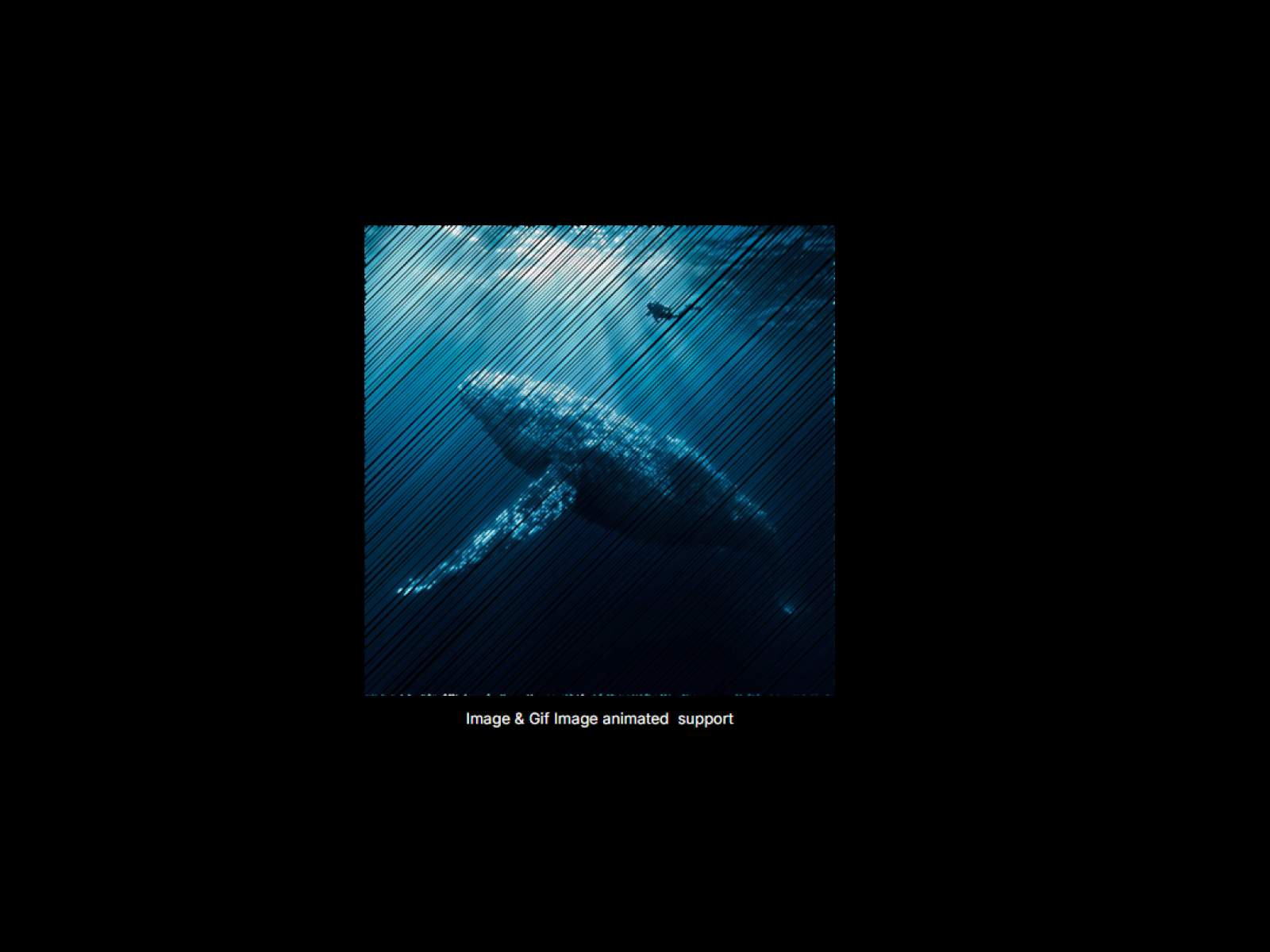
ShaderHatch
Adds WebGL hatching and scribble effects to any element.
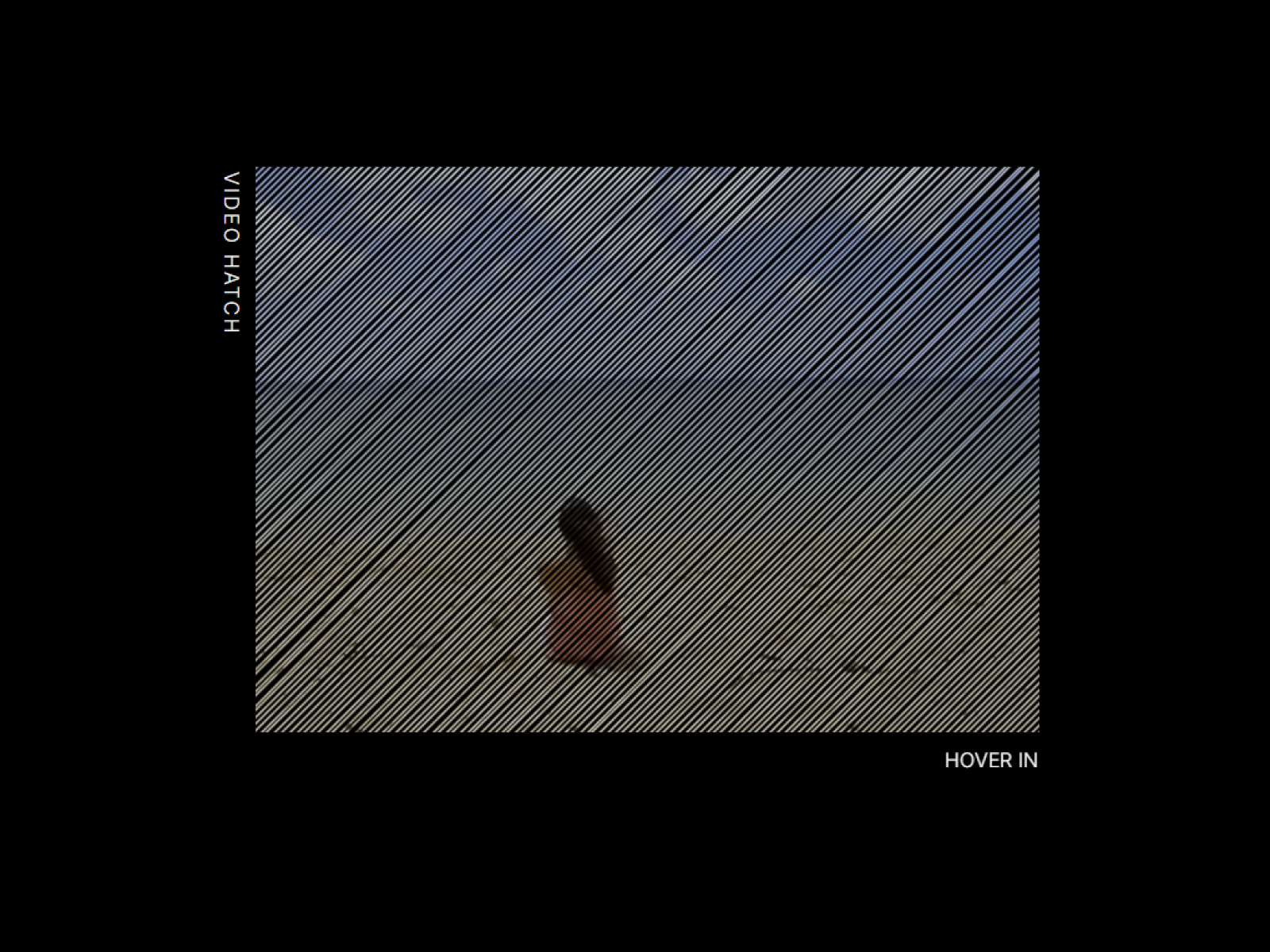
VideoHatch
Renders any video with a hand-drawn hatching shader in real time.
VFX Scroll Shift
A multi-color glitch on text, driven by how fast you scroll.
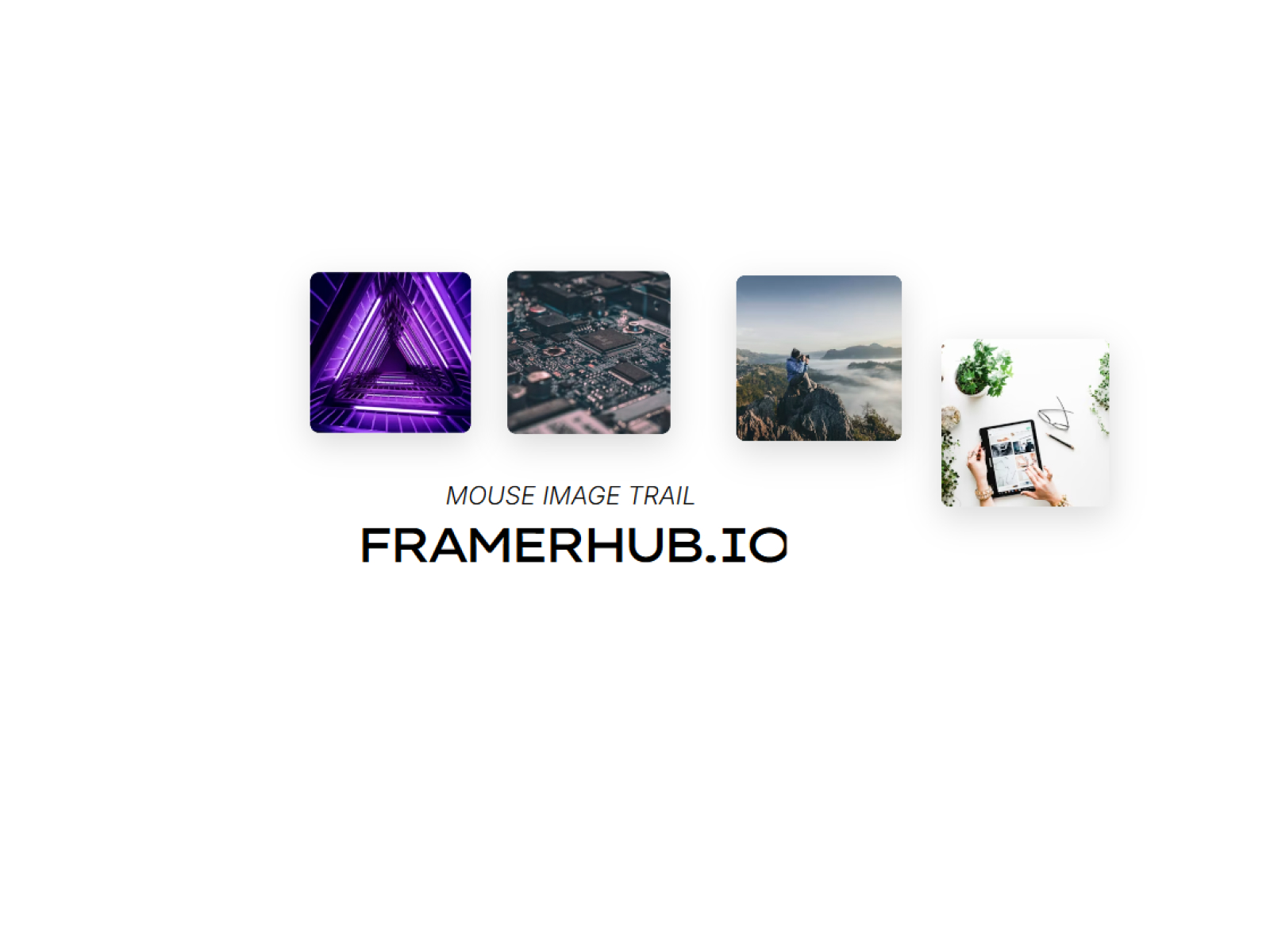
Mouse Image Trail
A trail of images that follows your cursor.
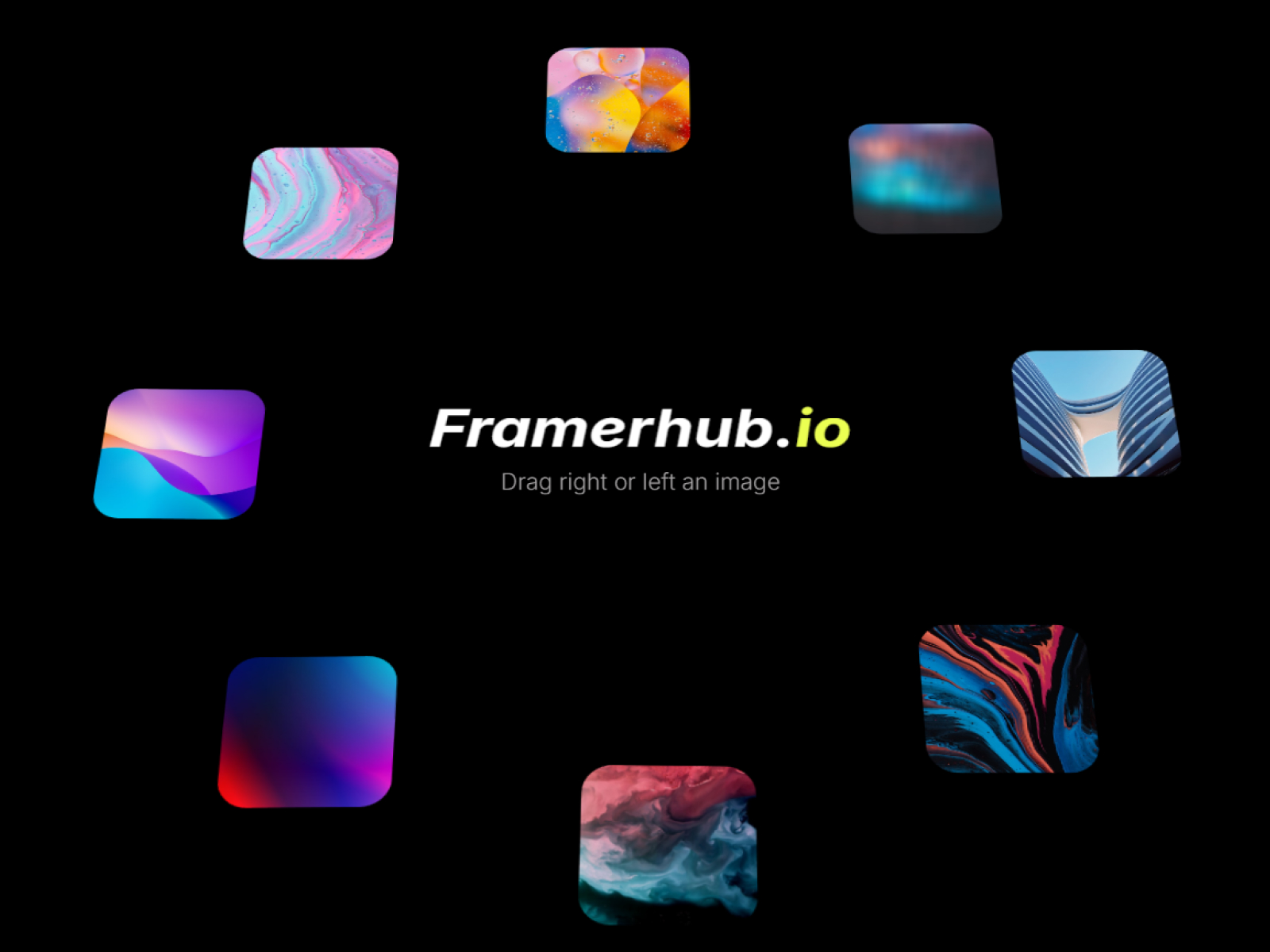
Circular Showcase
A ring of images that rotates around a line of text.
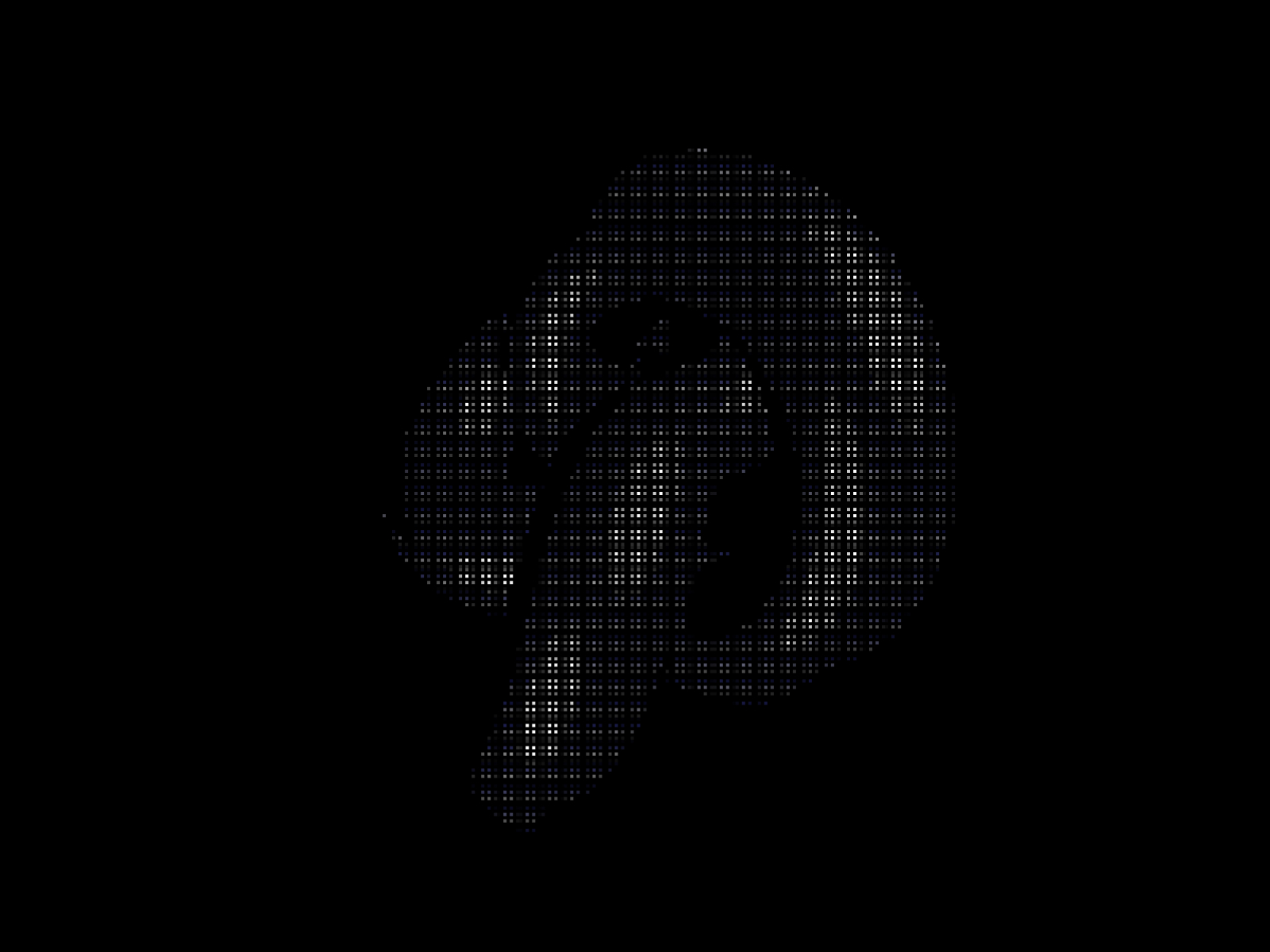
Kinetic ASCII
Turns shapes and images into dot-matrix ASCII art with real-time 3D animation.
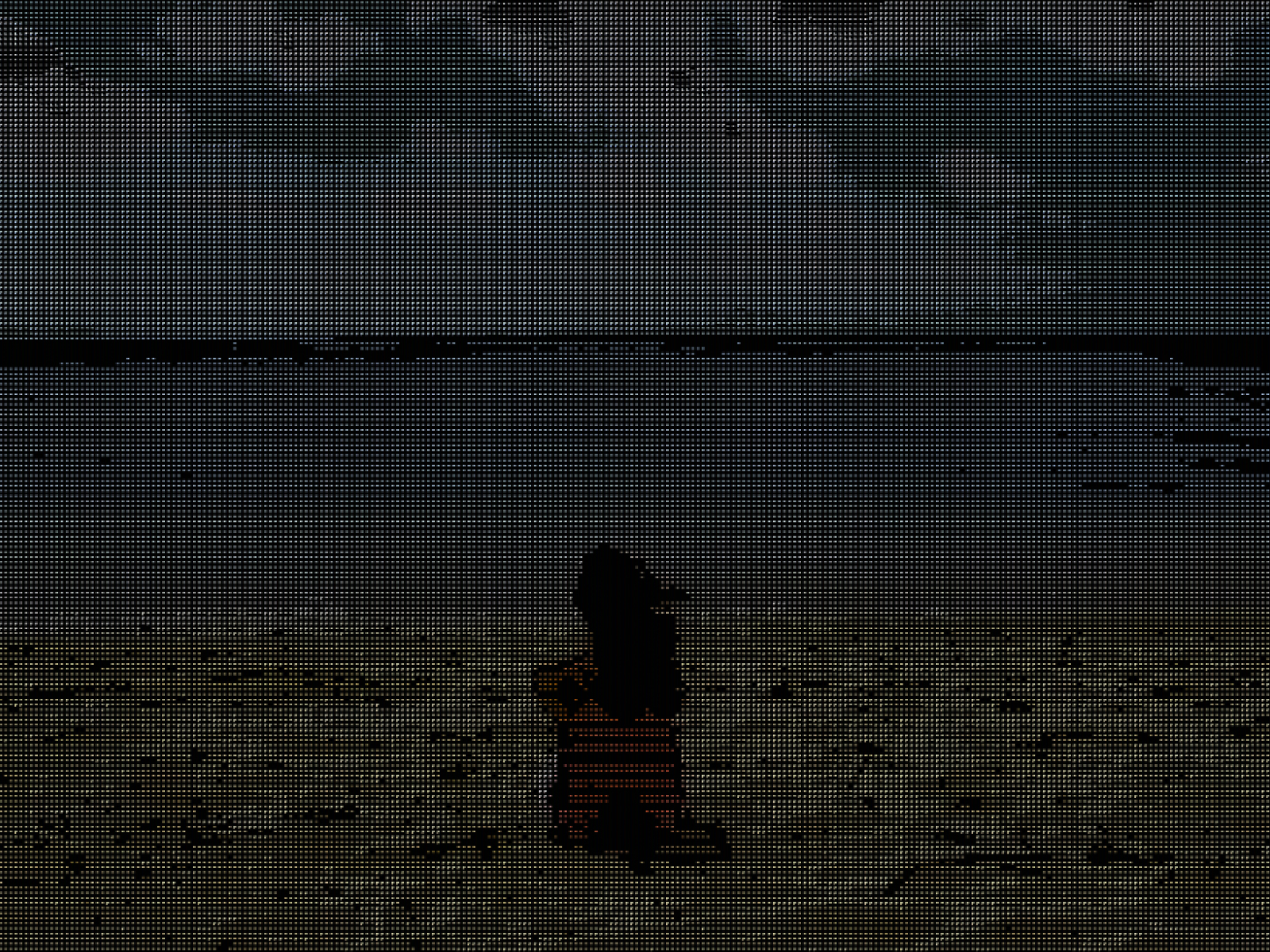
Sprite Video ASCII
Turns video into live ASCII art with color grading, fit controls and retro scanlines.
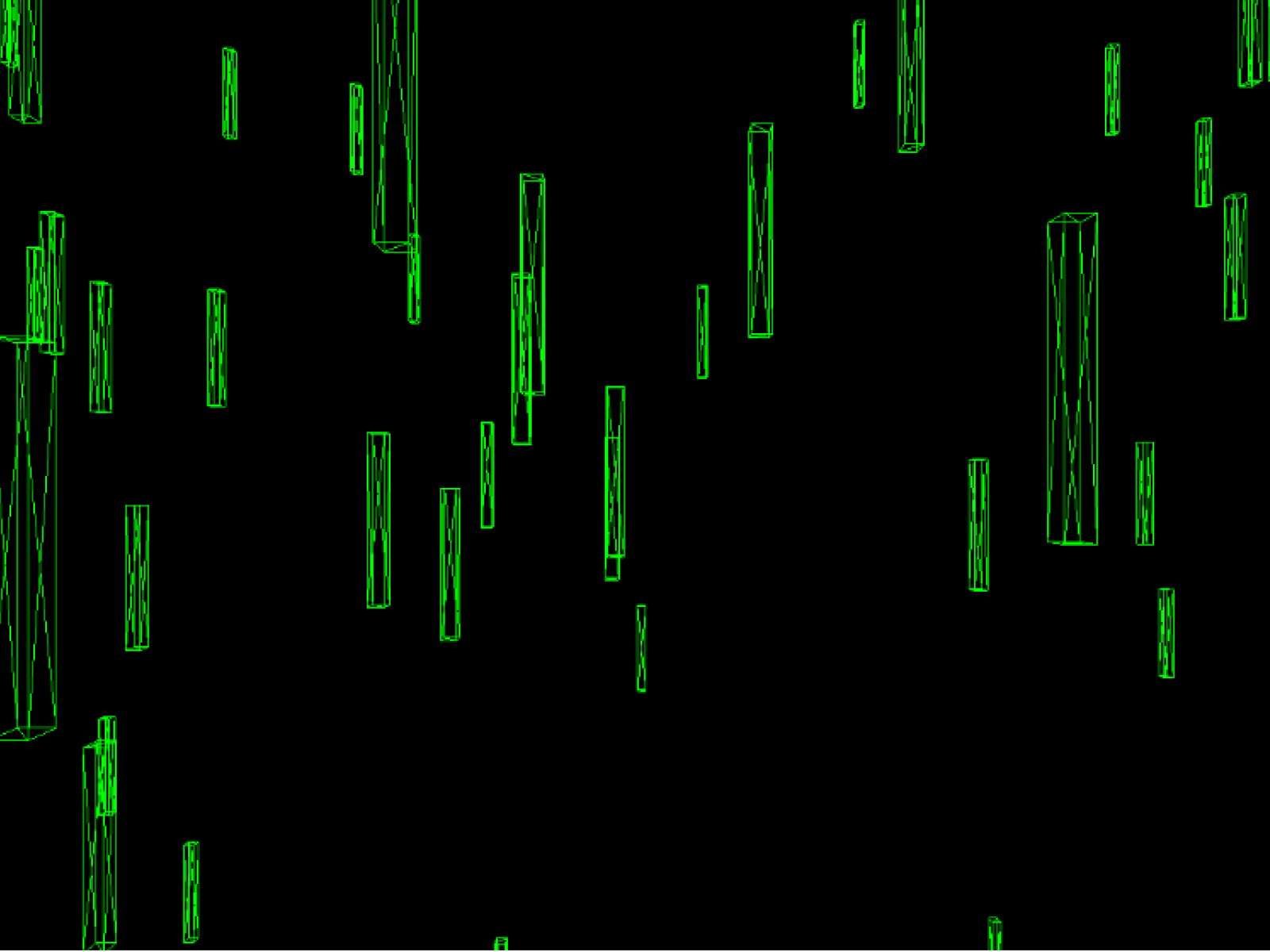
Digital Rain
A Matrix-inspired falling code effect with customizable colors, size, and 3D depth.
Fluid Noise
Organic fluid noise textures with customizable colors, animation modes, and effects.
Liquid Chrome
An interactive liquid chrome shader with several render modes.
Reaction Diffusion
Animated reaction-diffusion pattern generator powered by WebGL shaders.
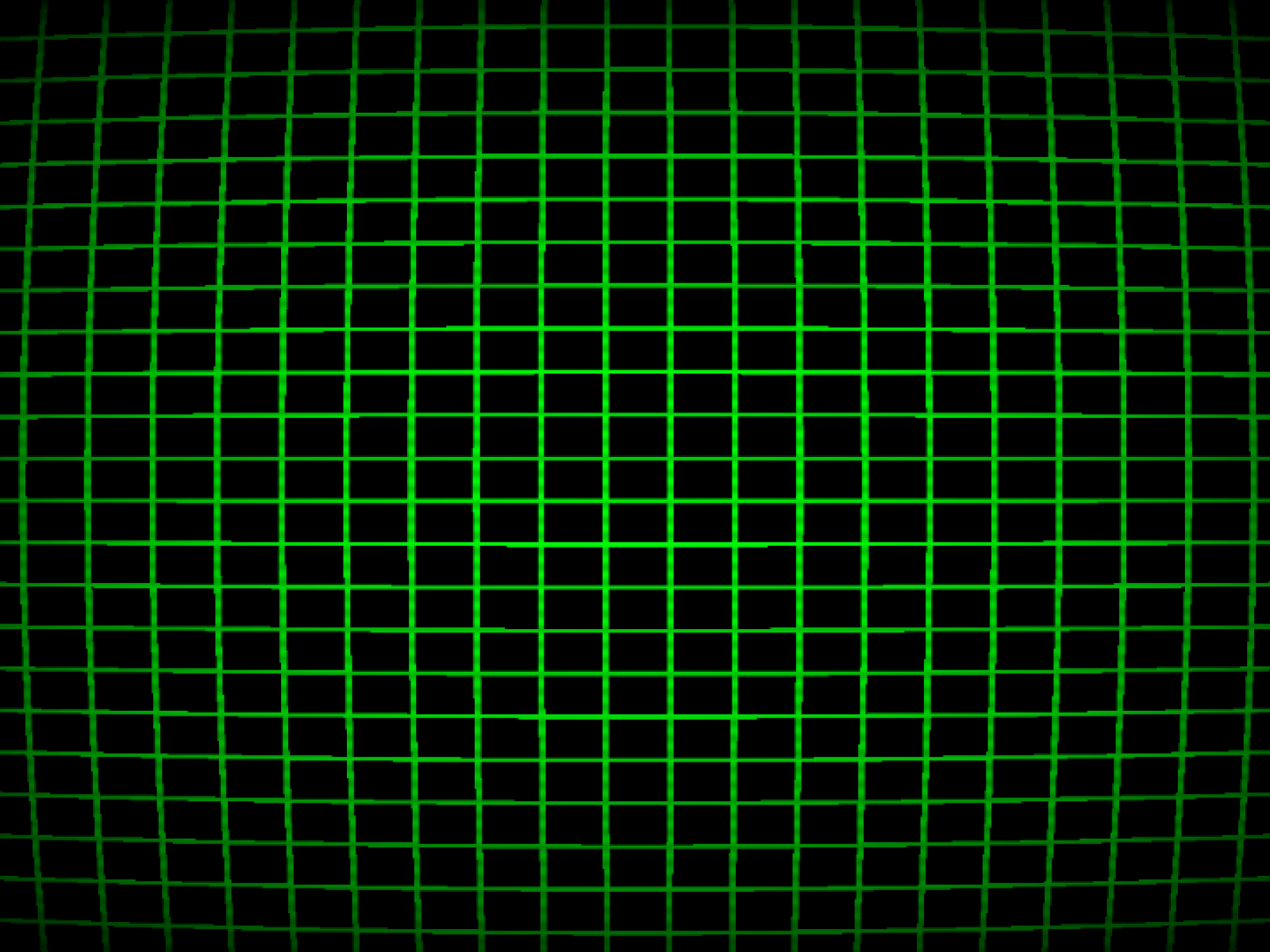
Retro CRT
Realistic vintage CRT monitor effect with scanlines and curvature.
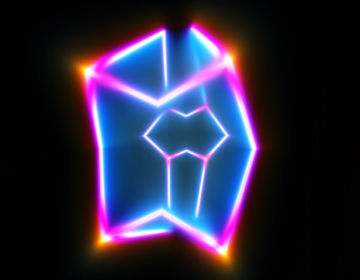
Shader Frame
A WebGL shader frame with interactive distortion and color controls.
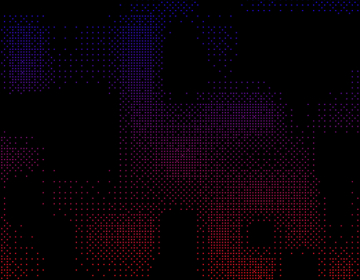
Dither Shader
An interactive dithering shader with a retro pixel look.
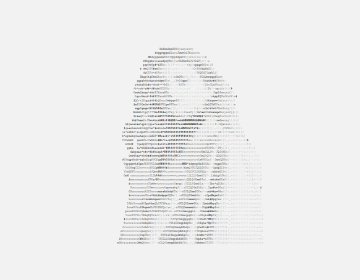
ASCII Image
Turns any image into ASCII art, with your choice of characters and colors.
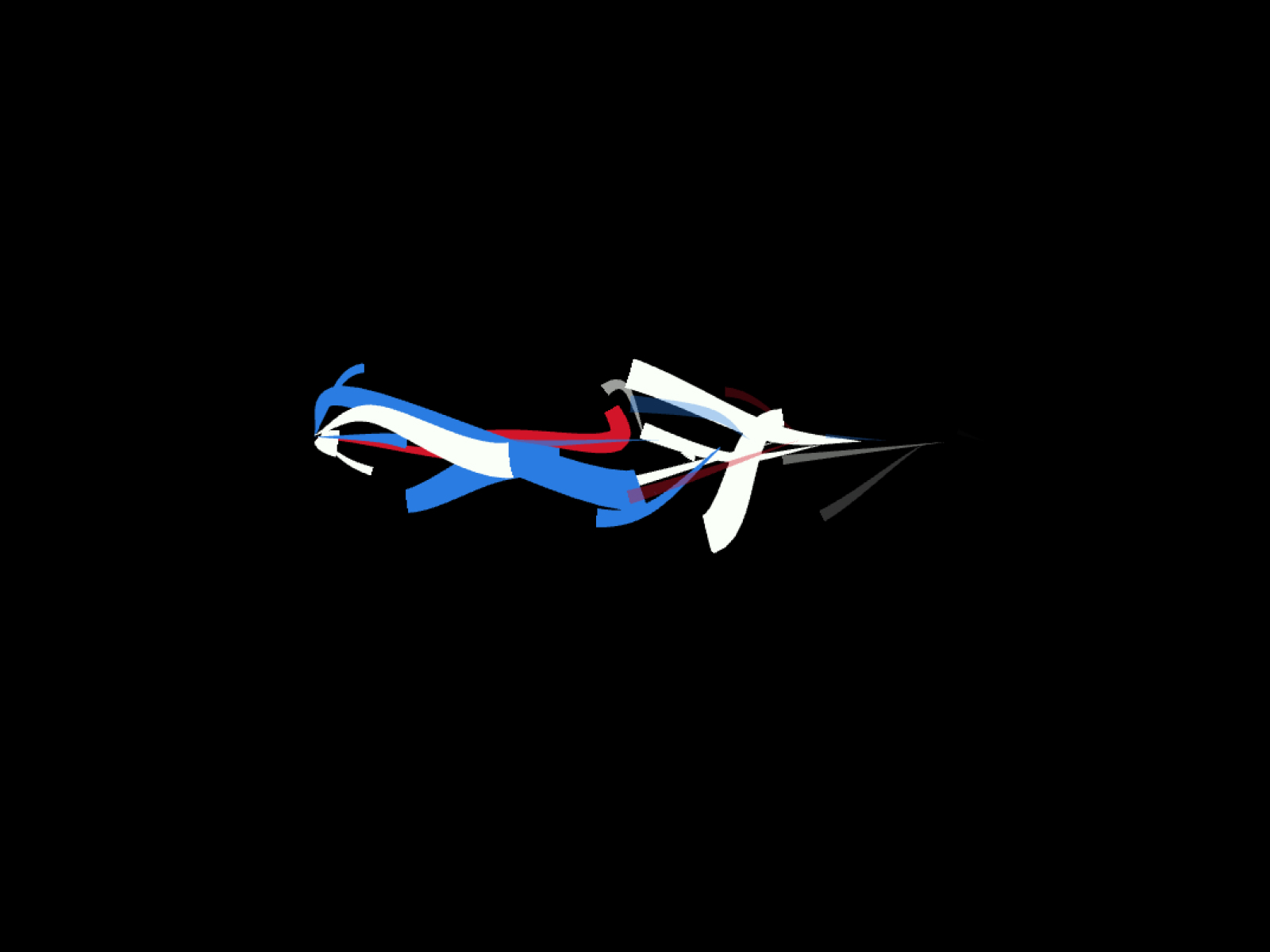
ElectricBolts
Animated electric bolts drawn with mesh lines.
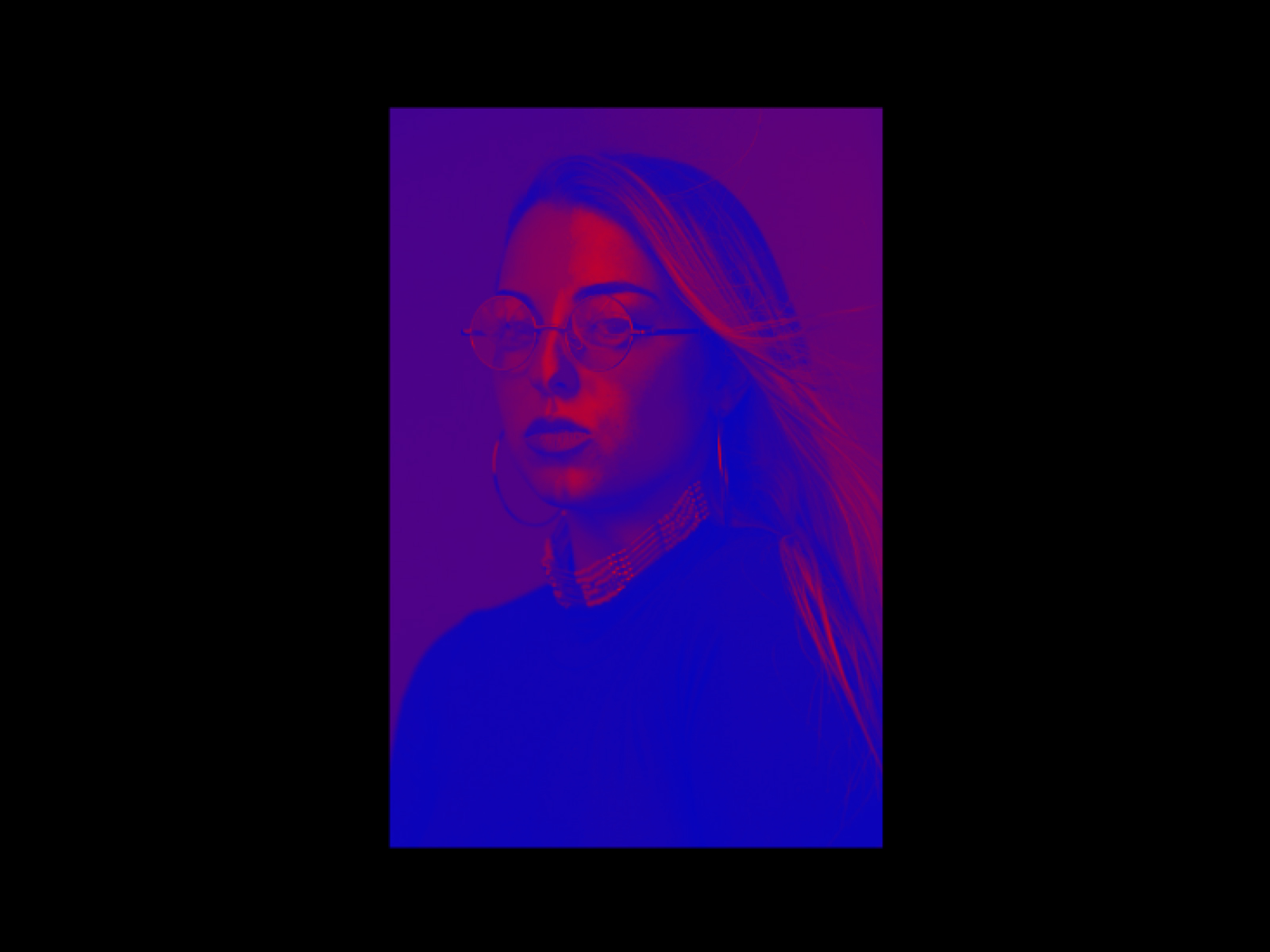
VFX Image Duotone
A WebGL duotone color grade for images.
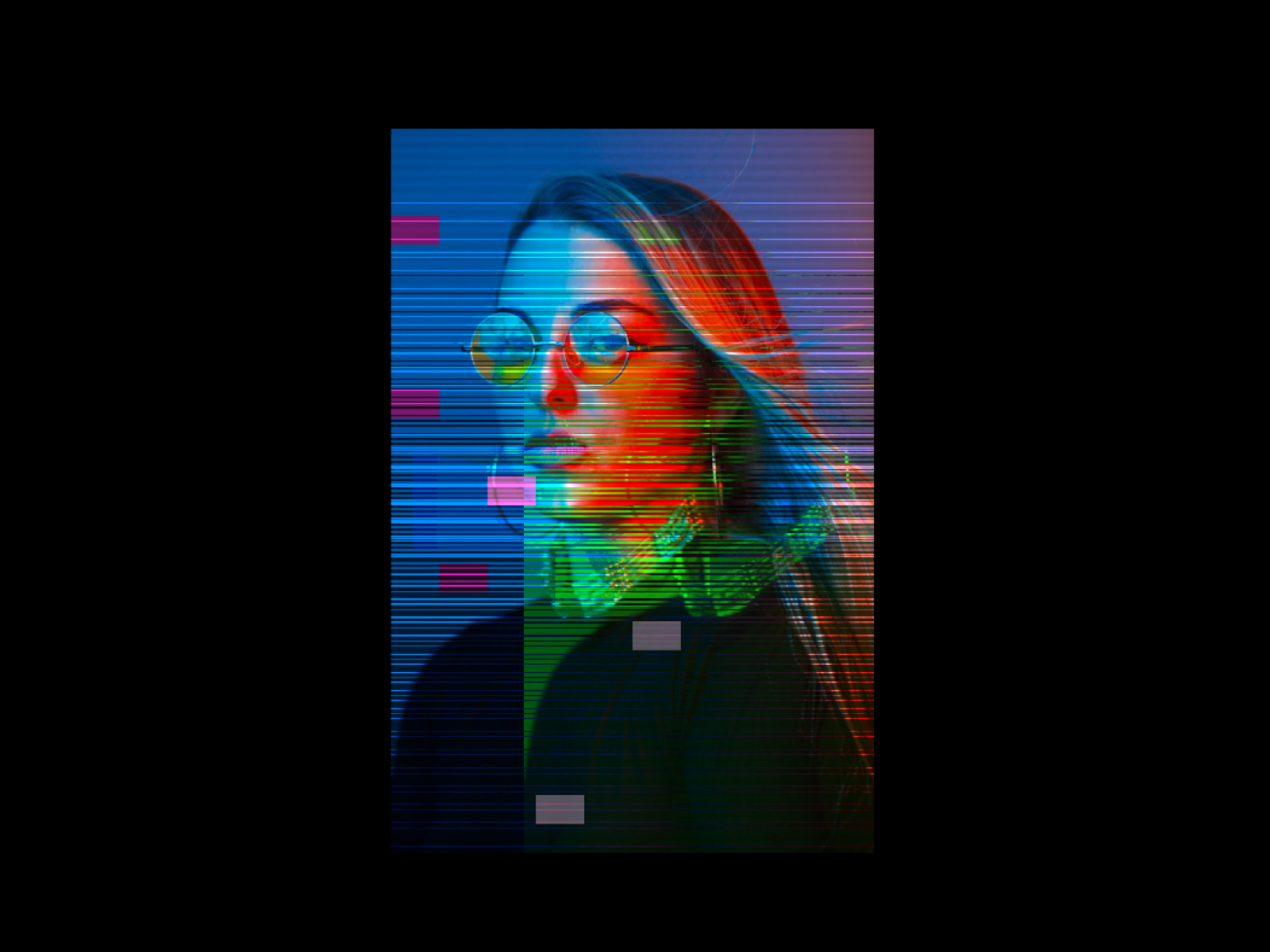
VFX Image Glitch
A cyberpunk glitch effect for images.
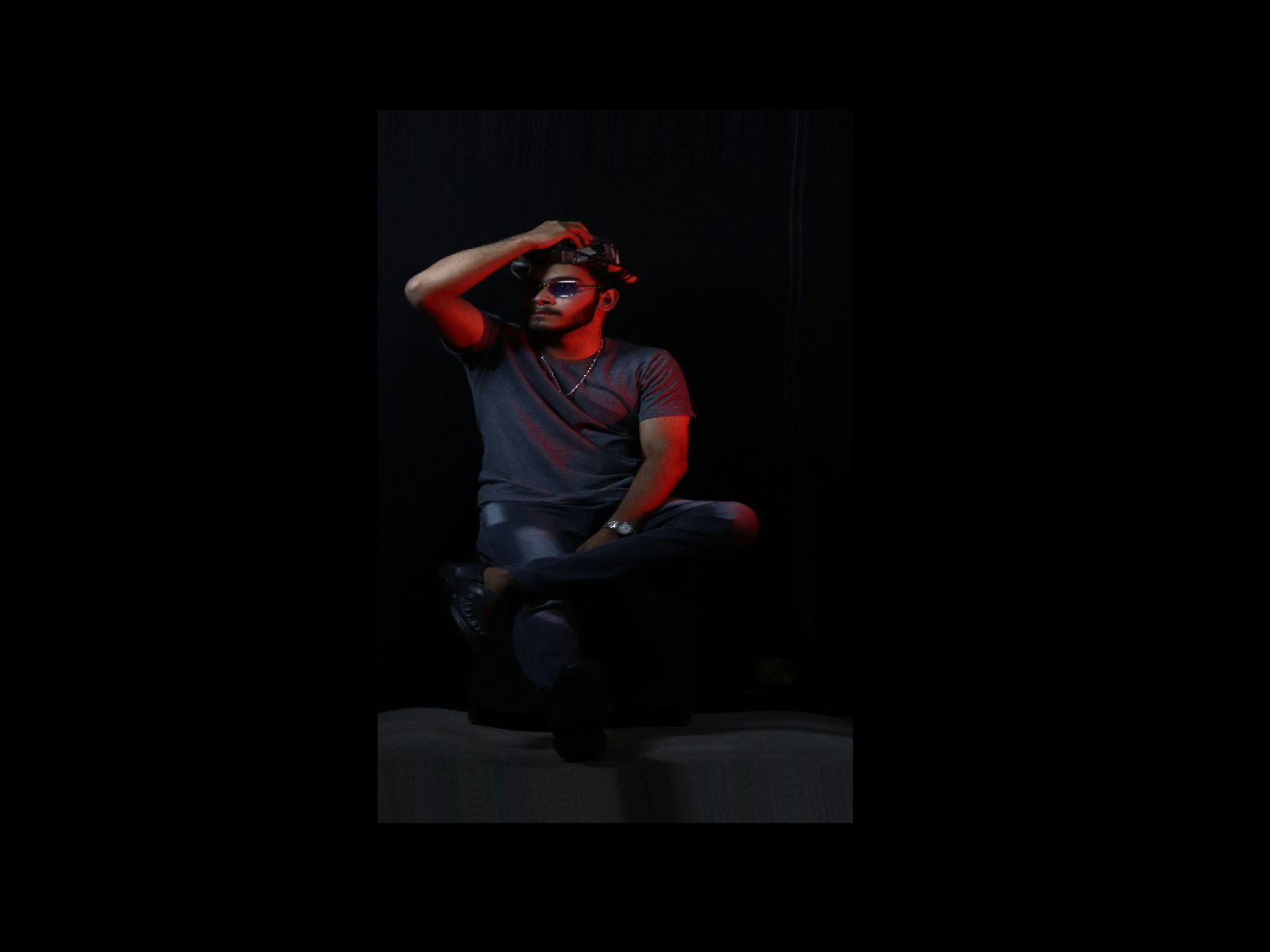
VFX Image Liquid
A trippy liquid distortion effect for your images.
VFX Image Pixelate
A retro pixelate reveal effect for your images.
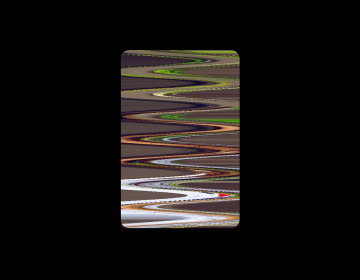
Image Slit Scan
A slit-scan distortion effect for images that plays on hover.
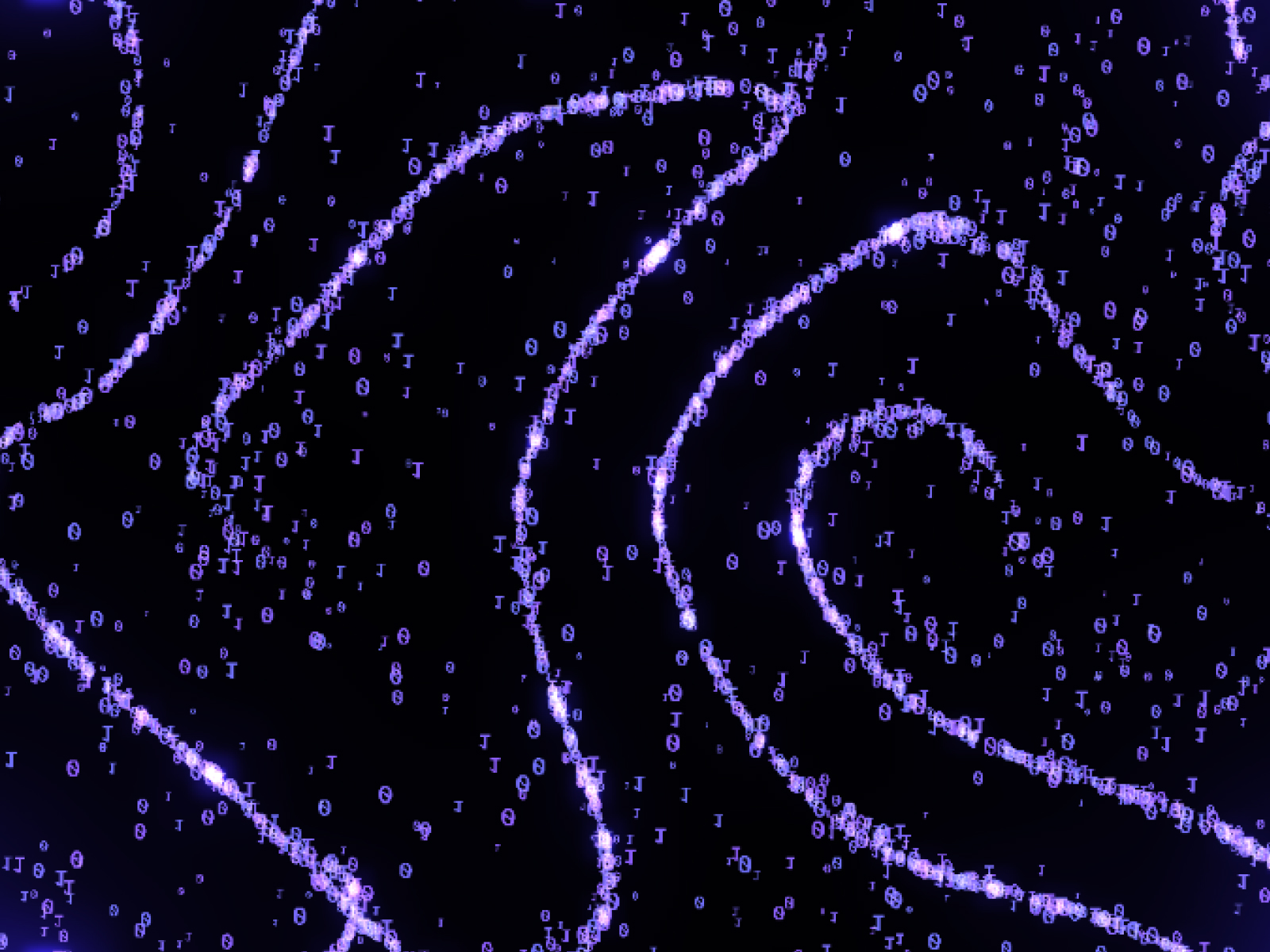
Digital Wind
Flowing digital particles with interactive mouse effects powered by Three.js
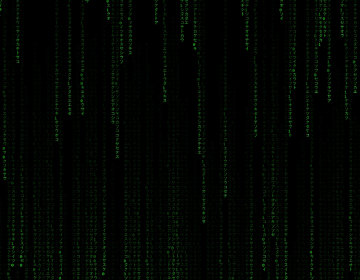
Matrix Rain
Digital rain effect with customizable characters and colors.
Motion Hover RGB
A WebGL hover effect that splits an image into shifting RGB channels as it follows the cursor.
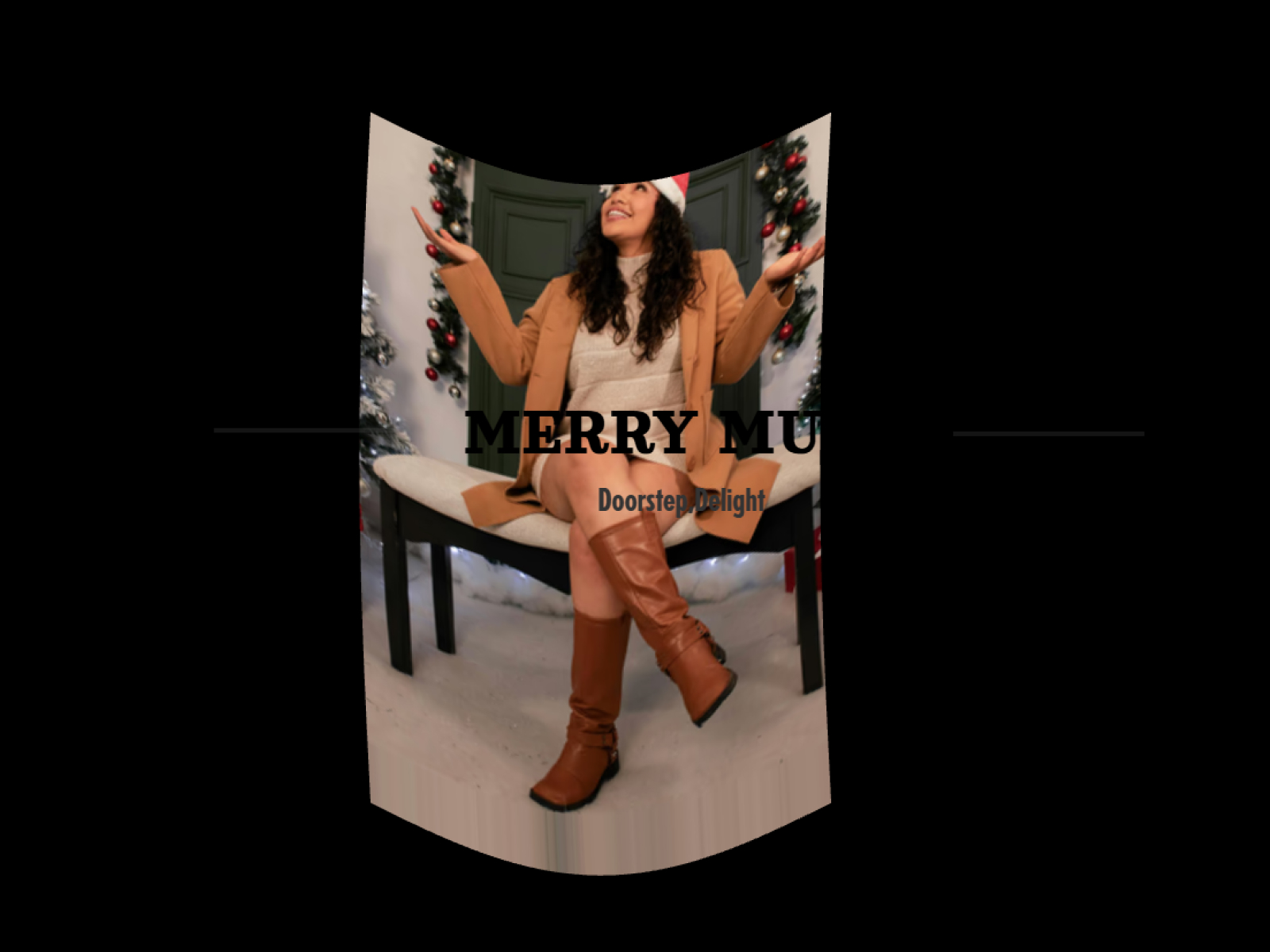
Motion Hover Stretch
A WebGL hover effect that stretches and distorts images.
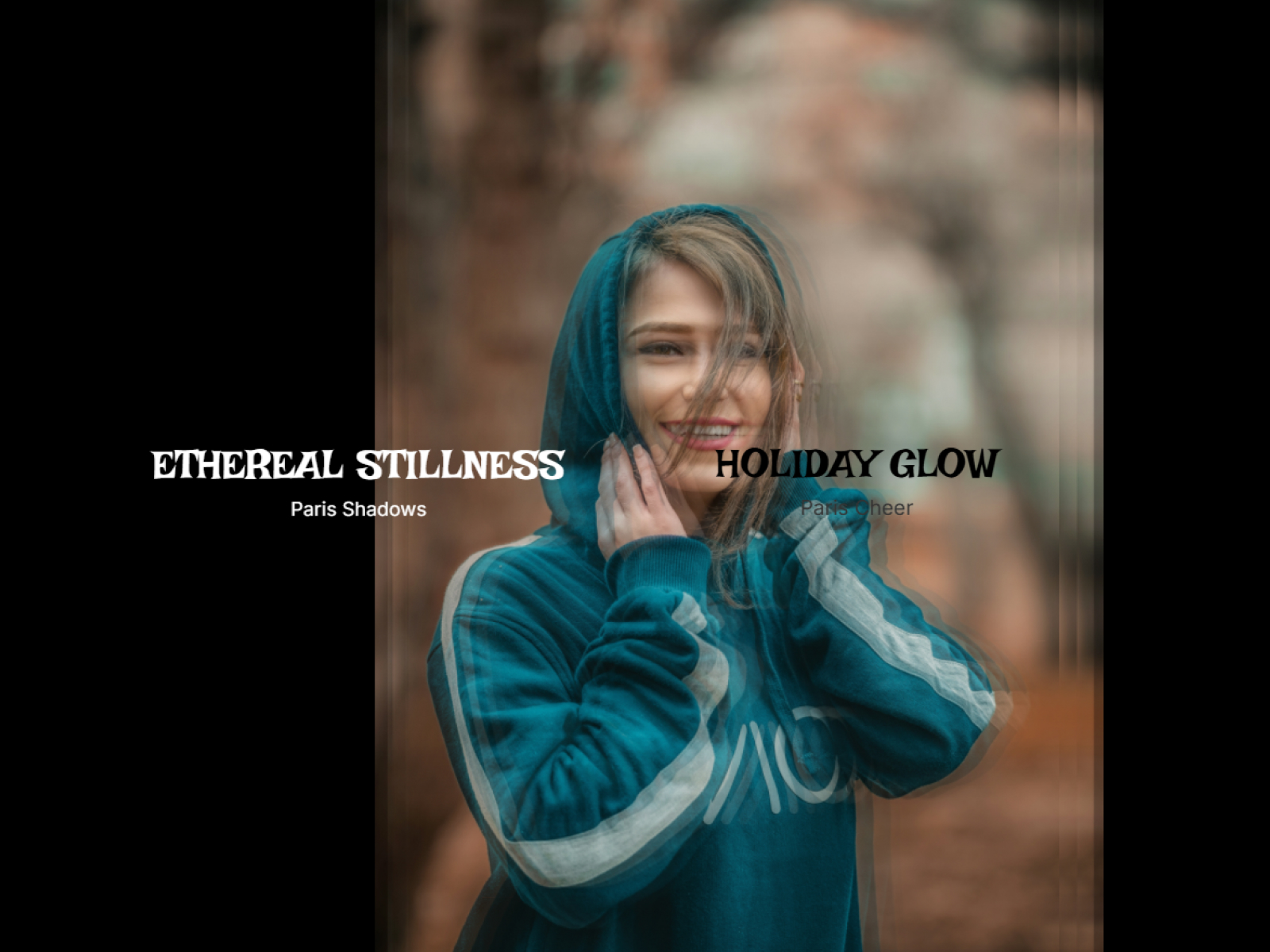
Motion Hover Trails
A WebGL hover effect where copies of an image chase the cursor.
Which visual & image effects component should you use?
- ASCII Image: Turn a photo or logo into ASCII art
- Retro CRT: A vintage monitor look with scanlines
- Dither Shader: Retro dithering for images
- VFX Image Glitch: A cyberpunk glitch on any image
- Motion Hover RGB: RGB split on hover for portfolio cards
- Matrix Rain: Classic falling-code rain
Effects that work on your own media
Most effects in this collection take an image or video you supply and process it live in the browser. ASCII Image and Sprite Video ASCII turn media into characters, Dither Shader and Retro CRT give it a retro screen look, and the VFX Image set (Duotone, Glitch, Liquid, Pixelate and Slit Scan) restyles photos without exporting new files. Swap the source in Framer and the effect follows, so one component can style a whole CMS collection.
Hover effects for cards and galleries
Motion Hover RGB, Motion Hover Stretch and Motion Hover Trails add WebGL distortion while the cursor moves over an image, which suits portfolio grids and case-study cards. Keep the original image sharp and let the effect run only on hover, so the page stays readable at rest.
Visual & Image Effects FAQ
Can I apply these effects to video?
Yes for Video Hatch and Sprite Video ASCII, which take a video source. Most of the others take an image.
Do the effects change my original image?
No. Each effect renders live on top of the source in the browser, and the file you uploaded stays as it is.
Do shader effects work in every browser?
They use WebGL, which runs in all current desktop and mobile browsers.
Are these Framer visual & image effects components free?
Some are free with a FramerHub account, and the rest are one-time purchases with lifetime updates. Each card shows its price.
How do I add one to my Framer project?
Open the component page, get it (free or paid), then copy it from your FramerHub dashboard and paste it onto your Framer canvas. Its settings appear in the properties panel.